blogs
October 21, 2026
Buying Luxury Property in Dubai: Key Benefits and Risks
Buying luxury property in Dubai with stunning skyline views and premium amenities
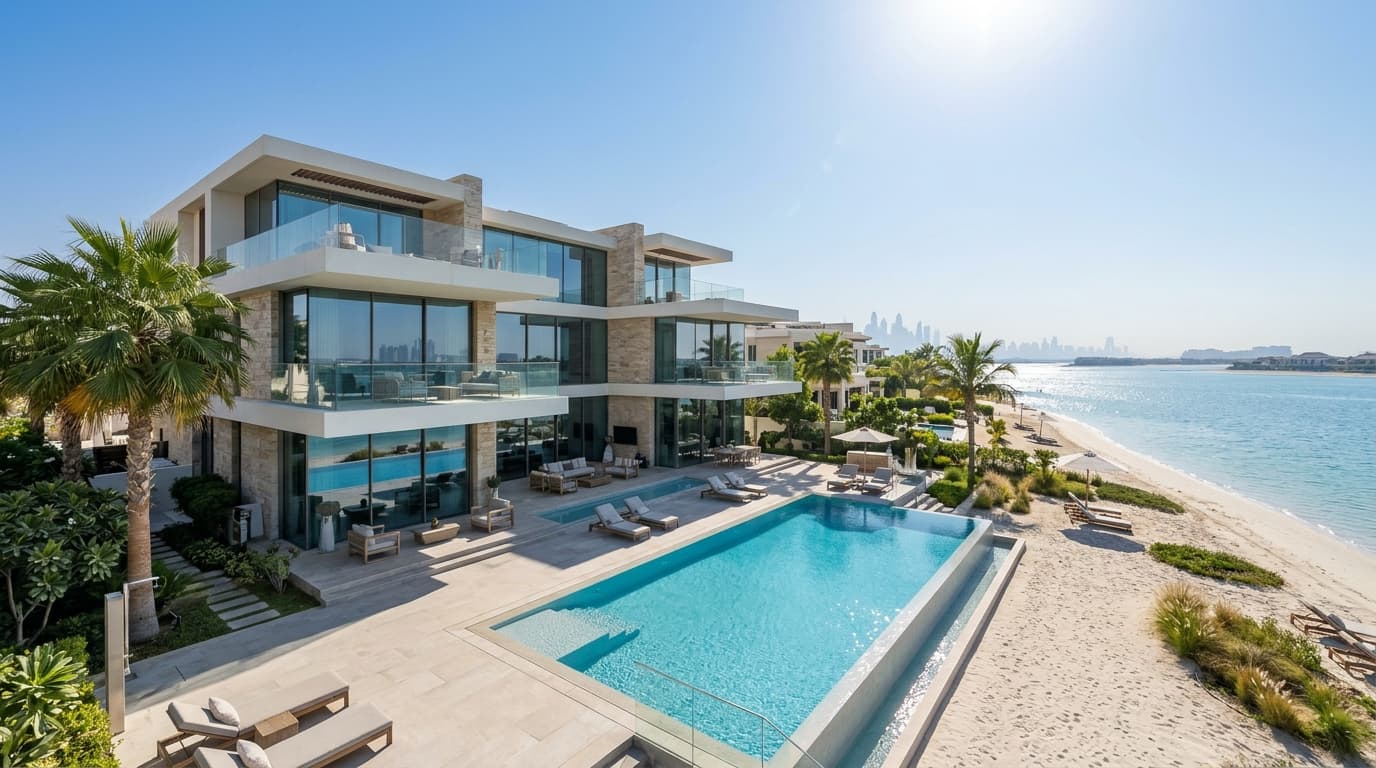
Buying luxury property in Dubai can offer more than an impressive home. It can provide rental income, long-term value and a place to live in one of the UAE's best-known cities. However, high-end property also comes with higher costs and risks that buyers need to understand before making a decision.
Dubai attracts property buyers from many countries. Some want a waterfront villa or a penthouse with city views. Others see luxury real estate as a way to spread their investments across different markets. The right property can meet both goals, but the results depend on its price, location, quality and running costs.
Luxury property is not always a better investment than a standard apartment or villa. A high purchase price does not guarantee strong rental returns or future growth. Buyers must look beyond the finish, brand name and sales pitch to understand what they are paying for.
This guide explores the key benefits and risks of buying luxury property in Dubai. It also explains the costs, ownership checks and financial steps to help you make a sound choice.
What Counts as Luxury Property in Dubai?
Luxury property covers several types of homes, from high-end apartments to large private villas. The price alone does not decide whether a property belongs in this group. Its location, design, views, privacy, facilities and build quality also matter.
Prime locations include Downtown Dubai, Palm Jumeirah, Dubai Marina and selected parts of Dubai Hills Estate. These areas offer different types of luxury living, from city apartments near major attractions to large homes in quieter communities.
Luxury homes usually fall into three broad groups.
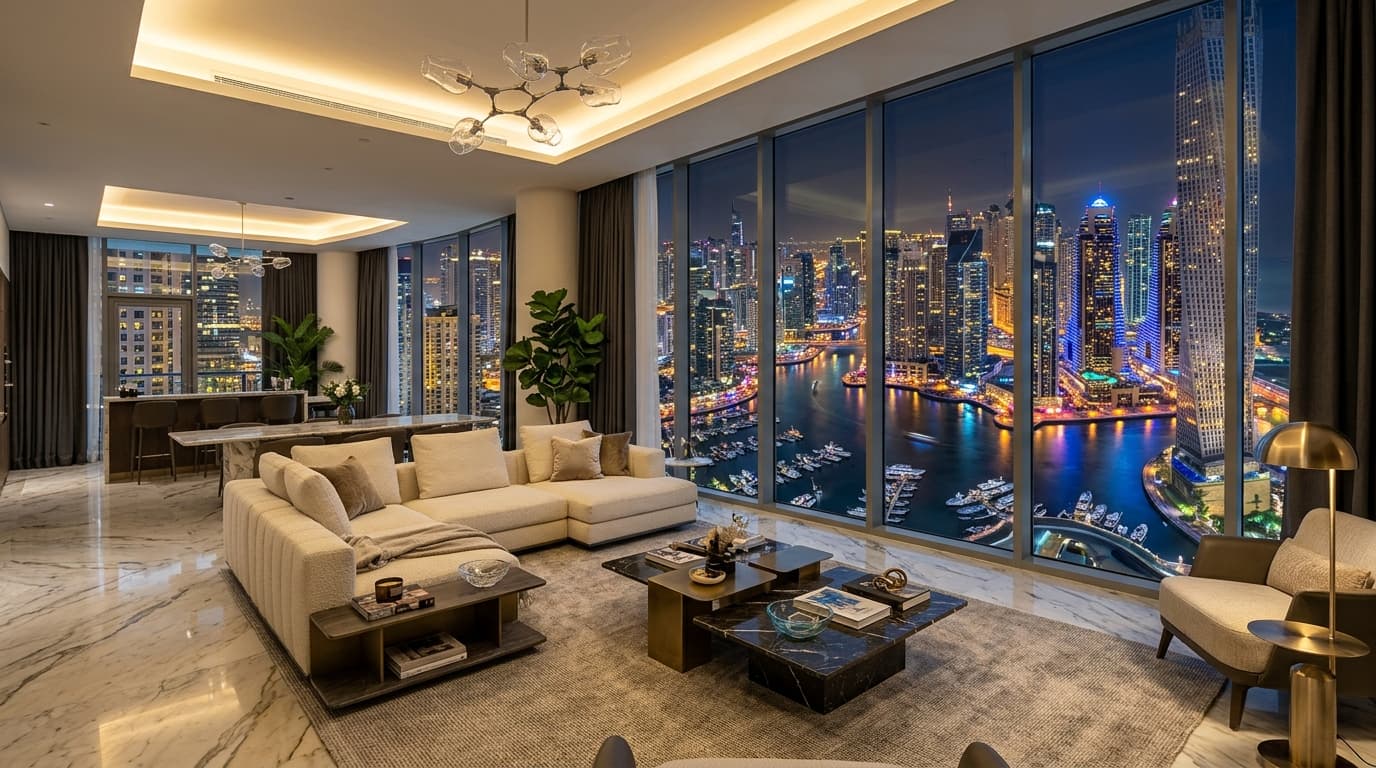
Prime residential property includes apartments and villas in well-known areas with good access to shops, restaurants, schools and transport. These homes can appeal to both residents and investors.
Ultra-luxury property includes rare penthouses, waterfront mansions and large villas with private outdoor areas. These homes often attract buyers who value privacy, space and exclusive features.
Branded residences are homes linked to a hotel, fashion or lifestyle brand. They may offer managed services and premium facilities, but buyers should check whether the brand adds enough value to justify the price and service charges.
Before choosing a property, decide what luxury means to you. A well-built apartment with a practical layout may offer better value than a more expensive unit with a famous address but limited appeal to future buyers.
Key Benefits of Buying Luxury Property in Dubai
1. Access to Prime Locations and High Living Standards
One of the main benefits of buying luxury property in Dubai is access to sought-after residential areas. Many offer modern buildings, private facilities, landscaped spaces and easy access to shops, restaurants and leisure options.
Downtown Dubai suits buyers who prefer city living and want to be close to major attractions and business areas. Palm Jumeirah may appeal to those seeking waterfront views, beach access and a more private setting. Dubai Marina offers apartment living near the waterfront, dining spots and leisure facilities.
Luxury villas in selected communities can provide more space, gardens and privacy. These features may suit families or buyers who plan to live in Dubai for several years.
Location can also affect future demand. A home near workplaces, transport links and daily services may appeal to a wider group of tenants and buyers than a similar property in a less convenient area.
However, a prime address does not guarantee a good investment. Compare the purchase price with nearby properties, expected rent and annual service charges before deciding.
2. Potential for Long-Term Capital Growth
Capital growth occurs when a property's market value rises over time. Luxury homes in established areas may benefit from limited land, strong demand and features that are difficult to replace.
For example, a villa with direct waterfront access may outperform a standard unit in a large development. A penthouse with an open view may also stand out if nearby buildings cannot offer the same feature.
These differences can help a property stand out when buyers compare several options. Still, a luxury home's value depends on market conditions, the original purchase price and how many similar properties are available.
Buying during a period of strong demand can also create risks. If a seller sets an asking price above the property's fair market value, future growth may not make up for the extra amount paid.
A long holding period may give the market more time to recover from short-term changes. Even so, buyers should not rely on price growth alone to justify the purchase as worthwhile.
3. Rental Income from High-End Tenants
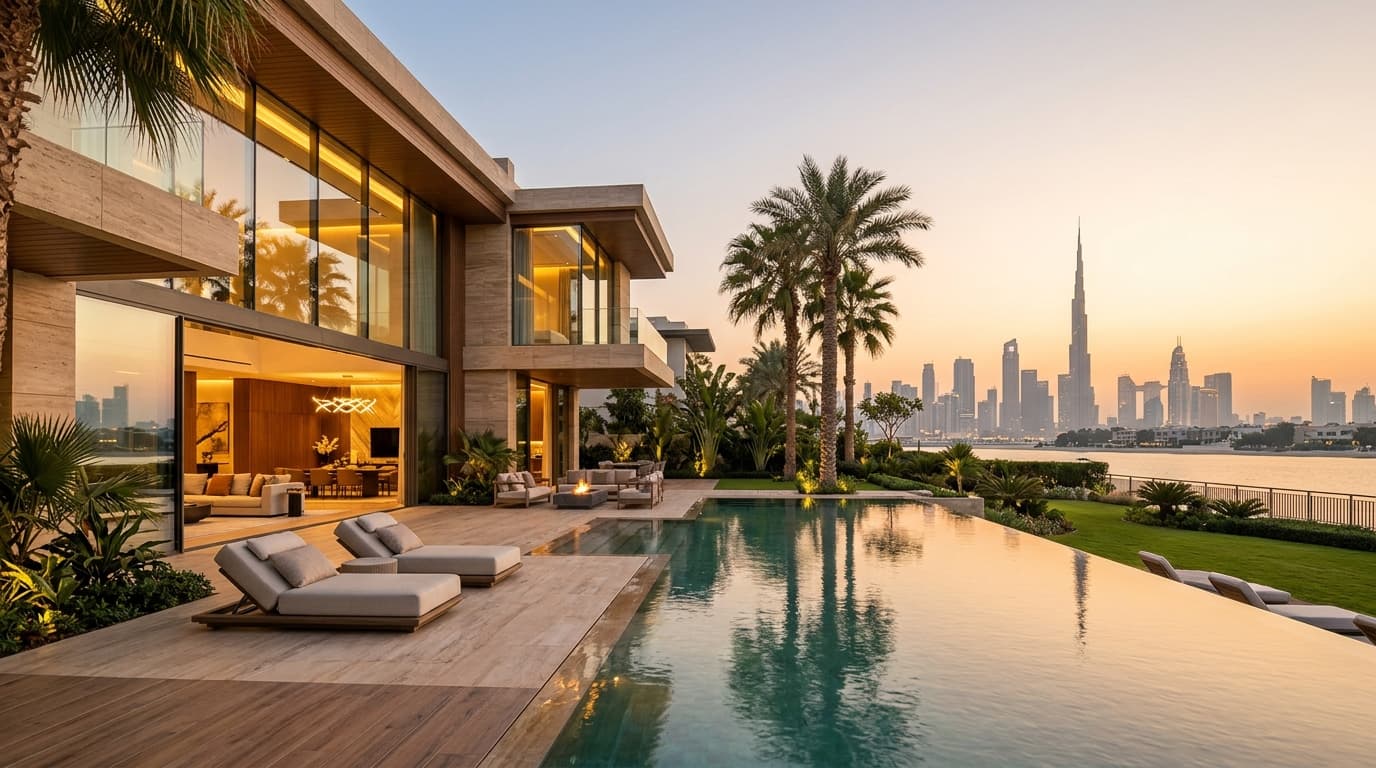
Luxury property can generate rental income from professionals, senior company staff, business owners and families seeking high-quality homes. Some tenants value furnished interiors, private facilities, good building management and access to key business areas.
A well-presented apartment in Downtown Dubai or Dubai Marina may appeal to tenants who want a central location. A villa in a suitable family community may attract tenants looking for extra space and privacy.
Rental demand depends on the individual property, not just the area. Two homes in the same building can achieve different rents because of their views, layout, condition, furniture and floor level.
It is also important to separate gross rental yield from net rental return. Gross yield compares annual rent with the purchase price. Net return takes account of costs such as service charges, repairs, insurance where applicable and periods without a tenant.
For example, a property may appear profitable when you compare its annual rent with the purchase price. Once you deduct its running costs and allow for vacancy, the actual return may be much lower.
Before buying, compare expected rent with the total cost of ownership. A lower-priced property with steady demand may provide better net returns than a luxury unit with higher rent but much larger expenses.
4. A Broad Market for International Buyers
Dubai attracts residents, business owners and investors from around the world. This creates a broad pool of potential buyers for suitable properties, especially in established residential areas.
International demand can support interest in luxury apartments, villas and branded homes. Buyers may choose Dubai for personal use, rental income or a longer-term plan to live in the UAE.
A broad buyer base can be helpful when you decide to sell. However, that does not mean every luxury property is easy to resell.
High-value homes usually have a smaller pool of buyers who can afford them. A unique property may attract strong interest from the right person, but finding that person can take time.
For this reason, think about resale demand before you buy. Consider who might want the property in five or ten years, what features would matter to them and whether the asking price leaves room for future growth.
5. Ownership Options for Eligible Foreign Buyers
Foreign buyers can purchase property in designated freehold areas of Dubai, subject to the applicable rules. Freehold ownership generally gives the owner rights over the property, rather than a limited right to occupy it for a fixed period.
This can make Dubai an option for international investors who want to own residential property outside their home country. However, buyers should confirm the ownership status of the exact property before paying a deposit.
Not every property has the same ownership terms. Some developments may have different arrangements, so buyers should check the title and relevant sale documents.
Buyers should also consider how they plan to hold the property. Personal ownership and ownership through a company can have different legal, financial and reporting requirements.
If you are buying from overseas, seek advice on the rules that apply in Dubai and your country of residence. This can help you understand any tax, inheritance or reporting duties before you commit.
6. Possible UAE Residency Benefits
Some property purchases may support a UAE residency under the relevant visa rules. The Golden Visa is one option for eligible investors, but approval depends on the current requirements and the applicant's circumstances.
Buying an expensive home does not automatically grant residency. The property must meet the relevant conditions, and the applicant must provide the required documents.
Treat residency as an additional benefit rather than the main reason to buy. First decide whether the property makes financial and practical sense. Then confirm whether it may support your residency plans.
If residency is important to your decision, check the latest official requirements before signing a purchase agreement. Rules and eligibility conditions can change.
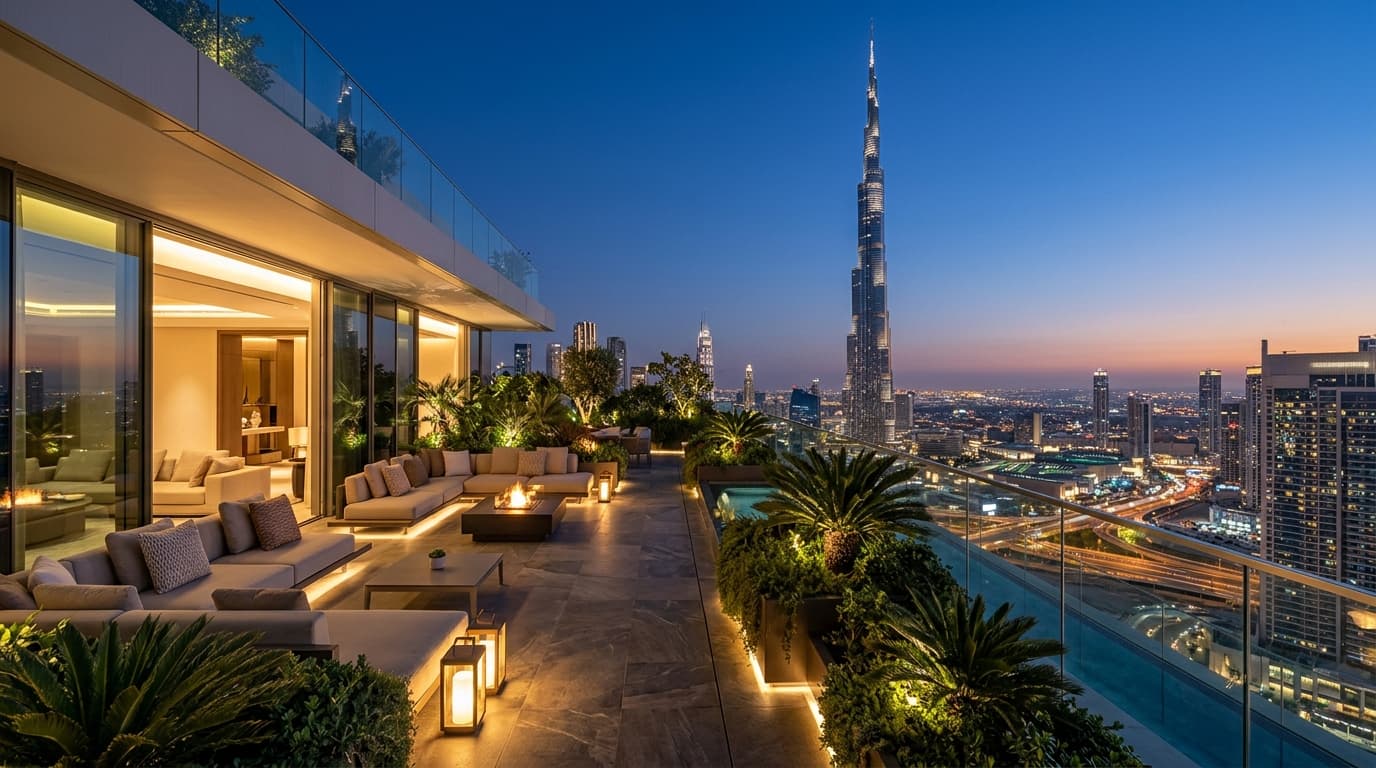
The Main Risks of Buying Luxury Property in Dubai
1. High Purchase Prices and Upfront Fees
Luxury homes require a larger initial budget than many standard properties. Buyers need to plan for the purchase price and additional costs linked to the transfer and ownership.
These costs may include the Dubai Land Department registration fee, trustee charges, agency commission, mortgage expenses and developer-related fees where applicable. The exact amount depends on the transaction and the agreements in place.
Buyers should not use their entire available budget on the property itself. They may also need money for furniture, repairs, moving costs and other expenses after completion.
Consider a buyer who can afford the asking price but has little cash left for other costs. An unexpected repair or a period without rental income could place pressure on their finances.
Before making an offer, prepare a full budget. Include the purchase price, transaction fees, likely upgrades and a reserve for unexpected expenses.
2. Market Changes Can Affect Property Values
Luxury property prices can rise, but they can also fall. Changes in borrowing costs, economic confidence, investor demand and the supply of new homes can affect buyer decisions.
High-end homes may be sensitive to shifts in international investment activity. When buyers become cautious, some may delay purchasing expensive properties until they feel more confident.
Supply is another factor to consider. If several similar apartments or villas become available at the same time, sellers may need to compete on price or offer better terms.
This does not mean buyers should avoid luxury property. It means they should assess the current market instead of assuming prices will continue to rise.
Look at recent completed sales rather than relying only on asking prices. Compare similar homes in the same area and check how long listings have remained on the market where reliable data is available.
3. High Service Charges and Maintenance Costs
Ongoing costs can reduce the return from a luxury property. Buildings with pools, gyms, landscaped areas, security and other shared facilities may have higher service charges.
Branded residences can also charge more for services and building operations. These features may appeal to tenants and buyers, but their value should be weighed against the cost.
Private villas have their own expenses. Pools, gardens, outdoor areas, air conditioning and specialist fittings may require regular care.
Maintenance can also cost more when a property has premium materials or complex systems. Repairs to stone finishes, large windows, smart-home equipment and specialist fittings may be expensive.
Ask for the current service charge details before buying. For a villa, estimate the cost of routine upkeep and any major work that may be needed.
Do not assume a property will remain profitable simply because it commands high rent. Calculate the likely net return after running costs and periods without a tenant.
4. Luxury Properties May Take Longer to Sell
A high-end property can be harder to resell than a lower-priced home because fewer buyers can afford it. This is known as lower resale liquidity.
The risk may be greater for homes with unusual layouts, very high service charges or features that appeal to only a small group of buyers. A large penthouse, for example, may suit a narrow market.
This matters if you need access to your money within a short period. You may have to reduce the asking price or wait longer to find a suitable buyer.
Before buying, consider how easy it would be to sell the property if your plans changed. Look at the number of comparable homes, recent sales and the types of buyers active in the area.
A distinctive property can still be a good purchase. The key is to understand its likely buyer pool and avoid paying a premium that the market may not support later.
5. Furnishing and Upgrades Can Add to the Cost
A luxury property may look ready for use, but its finish may not match the expectations of every buyer or tenant.
Some owners choose to upgrade kitchens, bathrooms, lighting or flooring. Others invest in custom furniture, curtains and interior design to make the home more appealing.
These changes can improve the property's presentation, but they do not always add the same amount to its resale value. Buyers may prefer a different style, and expensive furniture may not be reflected in the final sale price.
Before spending on upgrades, decide whether the property is for personal use or rental income. A home for your own use may justify choices based on comfort and taste. An investment property needs a clearer link between the cost and likely return.
Keep records of renovation work and use qualified contractors. Check whether approvals are needed before making changes to the property.
6. Developer Delays and Build Quality Issues
Buyers of off-plan luxury homes face different risks from those buying completed properties. The home may look impressive in brochures and show apartments, but the finished result can differ in some details.
Construction delays may affect when the buyer can move in or start earning rent. Changes to the surrounding area can also influence the final living experience.
For completed properties, defects may still appear after purchase. Issues with air conditioning, plumbing, windows, waterproofing or fitted equipment can lead to extra costs.
Research the developer's track record before buying off-plan. Review the sale agreement, payment plan, expected completion date and conditions that apply if the project is delayed.
For a completed property, arrange a professional inspection where suitable. If you are buying a new unit, check it carefully before accepting handover and report any defects through the correct process.
How to Assess the True Return on a Luxury Property
A good investment decision requires more than comparing the purchase price with the expected rent. You need to account for the costs of buying, owning and eventually selling the property.
Start by estimating the annual rental income. Use realistic figures for the type of home and its location, rather than relying on the highest rent advertised for a similar unit.
Next, deduct service charges, maintenance, management fees where relevant, insurance where applicable and an allowance for vacancy. This gives you a clearer view of the income you may keep.
You should also consider the cost of financing if you plan to use a mortgage. Monthly payments and interest costs can affect your cash flow, even if the property rises in value.
Finally, estimate the costs of selling. Agency fees and other transaction costs can reduce the money you receive when you exit the investment.
A simple example can help. If two properties produce similar annual rent, the one with lower running costs may offer the better net return. The more expensive property may still suit you, but its views or facilities should justify the extra cost.
A Practical Checklist Before Buying Luxury Property
Before signing a purchase agreement, work through these checks:
- Set your goal. Decide whether you want a home, rental income, capital growth or a mix of these.
- Confirm your full budget. Include purchase costs, fees, upgrades and a cash reserve.
- Check recent sales. Compare similar properties using reliable transaction data where available.
- Review the developer. For off-plan homes, check past delivery records and the sale agreement.
- Inspect the property. Look at the finish, layout, fittings and signs of damage.
- Calculate net returns. Deduct service charges, maintenance, vacancy and other likely costs.
- Check ownership documents. Confirm the title, ownership status and any restrictions.
- Plan your exit. Consider who may buy the property later and how long a sale could take.
- Get professional advice. Seek legal, tax or mortgage guidance where your situation requires it.
These checks cannot remove every risk, but they can help you avoid costly mistakes and make a more informed choice.
Is Buying Luxury Property in Dubai Right for You?
Luxury property may suit buyers who have a clear purpose, enough money for the full cost of ownership and a realistic holding period. It can offer a high standard of living, rental income and potential long-term growth.
It may be less suitable for buyers who need quick access to their money or expect a high rental return without ongoing costs. The smaller pool of buyers for some luxury homes can also make resale less predictable.
Think about your finances and plans before choosing a property. If you want to live in Dubai, features such as space, location and daily convenience may matter most. If you want rental income, focus on demand, net yield and the costs of keeping the property in good condition.
The strongest purchase is not always the most expensive home. It is the one that fits your needs, offers fair value and has a clear reason to attract future residents or buyers.
Frequently Asked Questions
1. Is buying luxury property in Dubai a good investment?
It can be a good investment when the property is fairly priced, suits its target market and has manageable running costs. Buyers should assess rental income, possible price growth, service charges and resale demand before making a decision. Returns are not guaranteed, and the result depends on the property and market conditions.
2. What are the main risks of buying luxury property in Dubai?
The main risks include high upfront costs, market changes, expensive service charges, maintenance needs and slower resale. Off-plan buyers may also face construction delays or differences between the expected and finished property. Research and careful budgeting can help reduce these risks.
3. Which areas are popular for luxury property in Dubai?
Downtown Dubai, Palm Jumeirah, Dubai Marina and selected parts of Dubai Hills Estate are well-known choices. Each area offers a different type of home and lifestyle. Buyers should compare the individual property, price, costs and likely demand rather than choosing an area based on reputation alone.
4. Do luxury properties in Dubai offer high rental yields?
Not always. A luxury property may earn more rent in cash terms, but its purchase price and running costs may also be much higher. Calculate the net rental return after service charges, maintenance, vacancy and other expenses before comparing it with other investment options.
5. Can foreign buyers own luxury property in Dubai?
Foreign buyers can purchase property in designated freehold areas, subject to the relevant rules. Before paying a deposit, confirm the property's ownership status and review the sale documents. Overseas buyers should also consider any tax or reporting duties that apply in their country of residence.
6. Can buying luxury property in Dubai help me obtain a Golden Visa?
Some property investments may qualify for a UAE Golden Visa, depending on the current rules and the applicant's circumstances. Buying a luxury home does not guarantee approval. Check the latest official eligibility conditions and documentation requirements before relying on residency as part of your purchase plan.
7. Are branded residences worth the extra cost?
Branded residences may offer recognised service standards, managed facilities and a strong appeal to some buyers. However, they can also have higher purchase prices and service charges. Compare the extra cost with the actual benefits, expected rental income and likely resale demand.
8. Is it better to buy a ready or off-plan luxury property?
A ready property allows you to inspect the actual home and may provide an earlier route to rental income or personal use. Off-plan property may offer staged payments and a wider choice of new designs, but it carries completion and delivery risks. Compare the payment terms, developer record, expected costs and your timeline before choosing.
9. What costs should I check before buying a luxury property?
Review the purchase price, applicable DLD fees, agency commission, trustee charges, mortgage costs and developer fees where relevant. Also budget for service charges, maintenance, furniture and possible repairs. Ask for a full cost breakdown so you understand how much cash you will need before and after completion.
10. How can I reduce the risks of buying luxury property in Dubai?
Set a clear budget, compare recent sales and research the developer or building. Inspect the property, review all legal documents and calculate net rental returns if you plan to let it. Get qualified legal, financial or property advice where needed, and decide how you may sell the property before you buy it.