blogs
October 14, 2026
Dubai Golden Visa Property Investment: What Investors Need to Know
Dubai property investment requirements, eligibility criteria, and residency benefits for investors applying for the Golden Visa
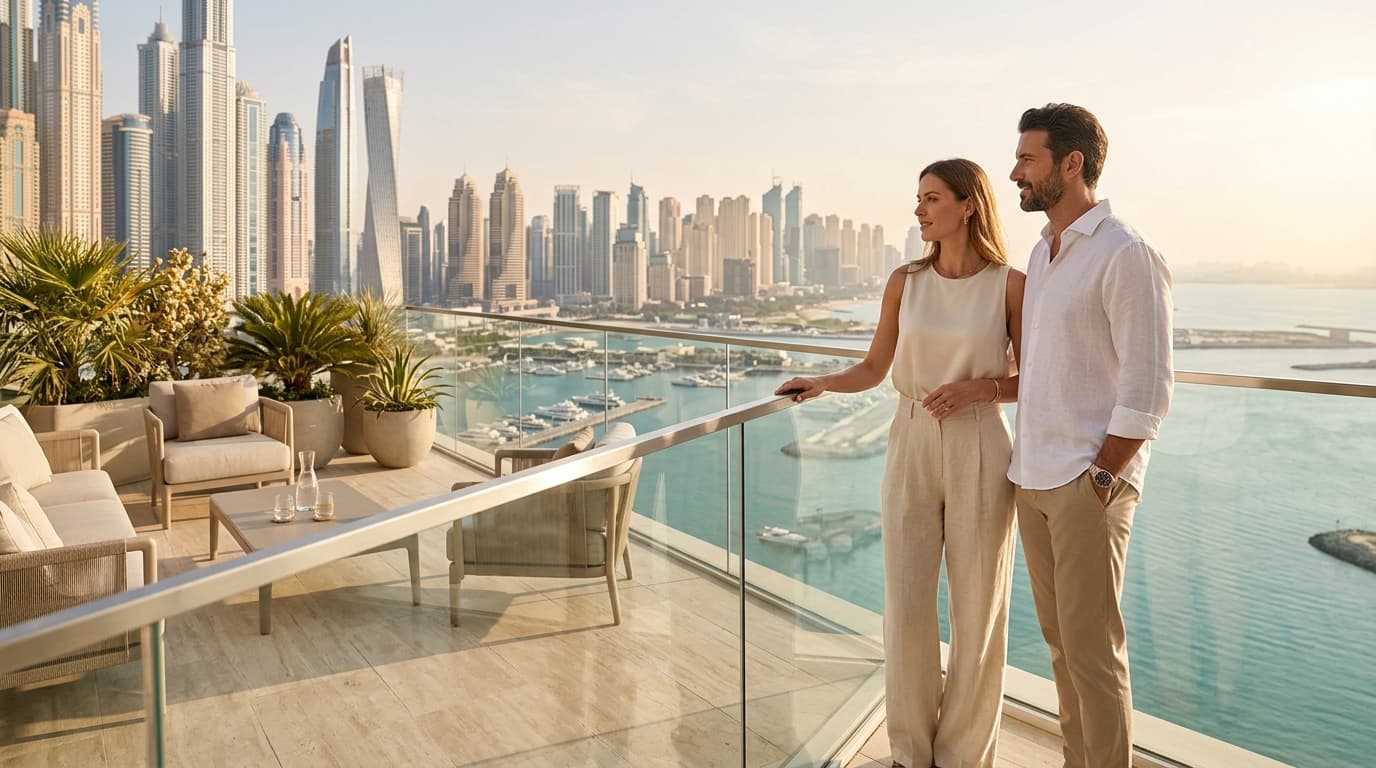
Buying property in Dubai can give you a home, a rental income, or both. For some buyers it also opens the door to long-term UAE residency through the Golden Visa.
That’s a big part of why people from all over the world look at Dubai. Some want rental yields. Others want a second home, a base for the family, or simply a stronger tie to the UAE.
But owning a property and qualifying for a Golden Visa in Dubai are two different things. The property has to meet the rules, you have to supply the right paperwork, and the authorities have to approve the application. Nothing is automatic.
So before you put down a deposit, it helps to know how the whole thing works.
What Is the Golden Visa for Property Investors?
The Golden Visa is a long-term residency programme for investors and a few other qualifying groups. Holders can live in the UAE without a local sponsor.
For property buyers, Dubai Land Department (DLD) guidance currently points to a renewable 10-year residence permit, as long as you meet the investment and documentation requirements. Eligible holders can also sponsor a spouse, children and, under the rules, parents.
One point worth stating plainly: the visa is a residency perk, not a return on investment. A property can qualify and still be a poor buy. Judge the property first, and treat the visa as a bonus.
How Much Do You Need to Invest?
The figure you’ll see quoted most often is AED 2 million. DLD says the property needs a purchase value of at least that much at the time of purchase, and you’ll need to prove ownership.
There’s some flexibility. You may be able to reach the threshold with more than one property. Mortgaged properties can be accepted too, though the bank will need to provide documents confirming how much you’ve actually paid. Off-plan purchases can also qualify when you buy from an approved local developer.
Still, don’t assume that every AED 2 million listing qualifies. Purchase value, ownership structure, payment status and registration all matter, and the rules can vary by application route. If you’re buying jointly, using a mortgage or going off-plan, confirm eligibility with DLD or the relevant residency authority before you pay a booking deposit.

Why Investors Look at Dubai
The city offers a lot of choice: apartments, townhouses, villas and luxury residences, in communities ranging from busy city-centre districts to quieter family neighbourhoods. Transport is good, the business districts are well established, and the rental market is active.
Rental income isn’t guaranteed, though. What you actually earn depends on location, purchase price, building quality, service charges and tenant demand. A high advertised rent doesn’t always mean a strong net return once costs are taken out.
The Golden Visa adds another angle, because you can think of the property as a place you might live in as well as an asset. Even so, start with your finances and your goals. Residency is a nice extra, not a reason to buy on its own.
The Main Benefits
Long-term residency. You get a renewable visa without relying on a local sponsor, which makes planning easier if you expect to spend real time in Dubai, especially with a family and school or housing decisions to sort out. Renewal depends on continuing to meet the requirements, so check the current rules rather than assuming it’s automatic.
Family sponsorship. Eligible holders can sponsor family members, so a move can happen together instead of through separate visa routes. Which relatives you can include, the documents needed and the fees all depend on the relationship, so confirm the details early.
Flexibility for international investors. If you split your time between countries, a long-term visa is easier to live with than one that needs frequent renewal. Golden Visa holders also get more relaxed rules on time spent outside the UAE than many other residence visas, though you should check the conditions attached to your own. One caution: UAE residency doesn’t automatically change your tax residency elsewhere. If you have income or assets in other countries, get proper tax advice first.
Lifestyle and services. Healthcare, schools, shopping and leisure are all easy to find. If you’re planning to relocate, these matter as much as the property. A family might want schools and parks nearby, a business owner might care more about airport and office access, and someone else might just want to be near the beach. The visa doesn’t pick the right location for you.
Rental income and capital growth. A qualifying property might bring in rent or rise in value, but neither is promised. Prices can fall, demand can shift, and new developments can bring fresh competition. Compare realistic rent estimates against the full cost of owning, including fees, service charges, maintenance, management and empty periods. A good purchase still makes sense when the market is softer than you hoped.
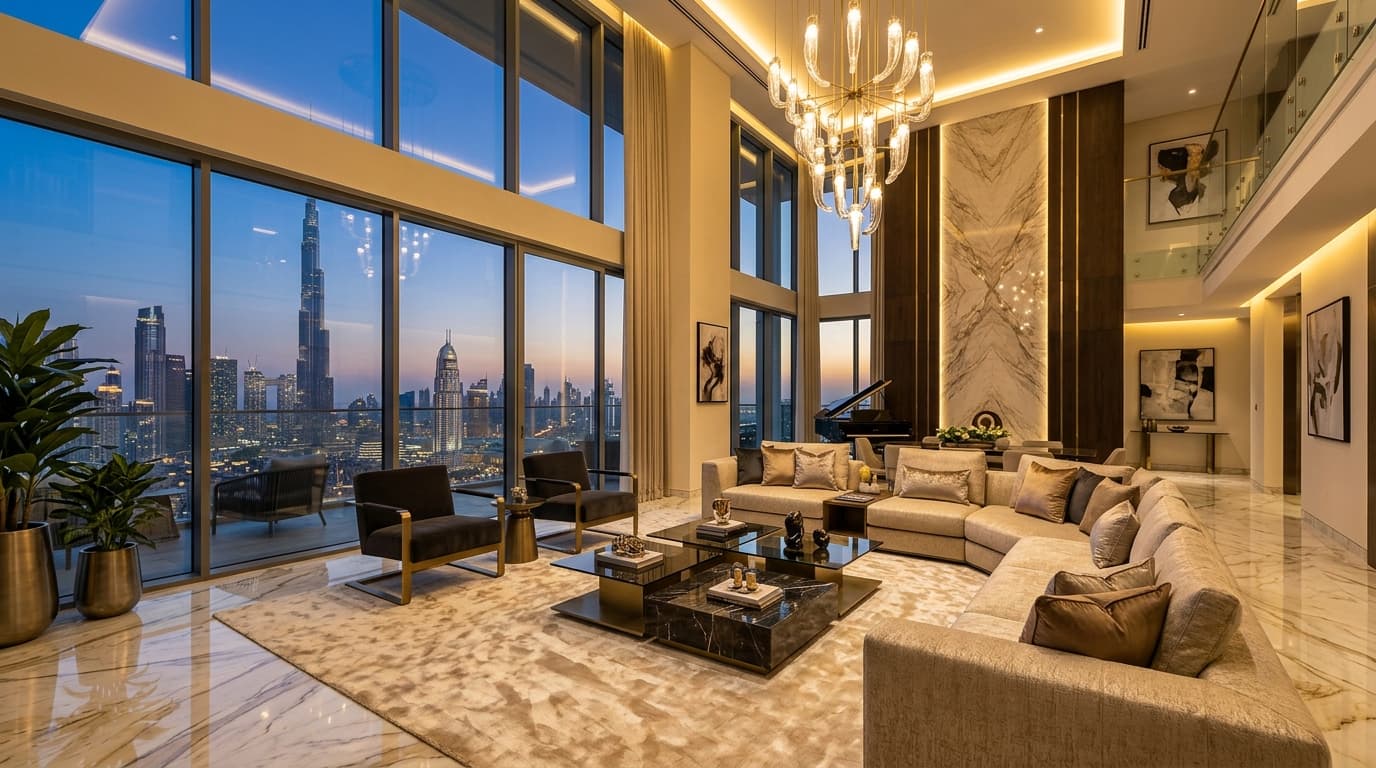
What It Really Costs
AED 2 million is the qualifying threshold, not your total spend. Budget for everything that comes with it:
- Purchase price: the main investment, and it should fit your wider financial plans.
- Registration and transfer fees: DLD and other charges apply to property transactions, so confirm the amounts before signing.
- Agency fees: check the commission and whether VAT or other charges are added.
- Mortgage costs: arrangement fees, valuation costs and the deposit and repayment terms, if you’re financing.
- Service charges: usually annual, and they eat into net rental income.
- Maintenance and management: repairs, insurance, tenant turnover and property management.
- Visa fees: processing, medical tests, Emirates ID and other services, with more if family members are included.
Ask for a full breakdown instead of relying on a single rough estimate.
Which Areas to Consider
No single area suits everyone. It comes down to budget, lifestyle, rental plans and how long you intend to hold the property.
Downtown Dubai is central, close to major attractions, shops and business districts. Tenants like the convenience, but prices and service charges tend to be higher. Compare individual buildings, because a prime address doesn’t guarantee a prime return.
Dubai Marina has waterfront apartments with restaurants, shops and leisure facilities nearby. It suits professionals and couples who want an active urban setting. Look at the building’s age, maintenance, parking and service charges, and how many similar apartments are competing for the same tenants.
Business Bay sits close to central Dubai and offers a mix of buildings and price points. Pay attention to access, build quality and how many similar units are on the market. A practical, well-connected apartment appeals to a different tenant than a luxury unit with premium facilities.
Dubai Hills Estate is a community with green space, shops and family facilities, and it includes apartments, townhouses and villas. If you’re moving a family, check school access and daily travel times.
Emerging areas often have lower entry prices, newer homes and flexible payment plans. But cheaper doesn’t automatically mean better returns. Look at rental demand, transport, planned facilities and how much new supply is on the way. For off-plan, review the developer’s track record, the completion schedule and the payment terms.
Whichever area you choose, it should meet the visa requirements and fit your investment plan.
Ready or Off-Plan?
Both can work, depending on the current eligibility rules and what you want out of the purchase.
A ready property lets you inspect the actual unit, the building and the neighbourhood. If you plan to rent it out, you can start earning once the purchase is complete and the unit is prepared for a tenant.
Off-plan means buying before construction is finished. You’ll often get staged payments and newer facilities, but you’ll wait for handover and carry the risk of delays. Confirm the visa rules for off-plan before committing, since eligibility can depend on the developer, purchase value and registration.
And don’t pick an off-plan project just because the payment plan looks affordable. Be sure you can meet every future instalment, and think through what happens if the build runs late.
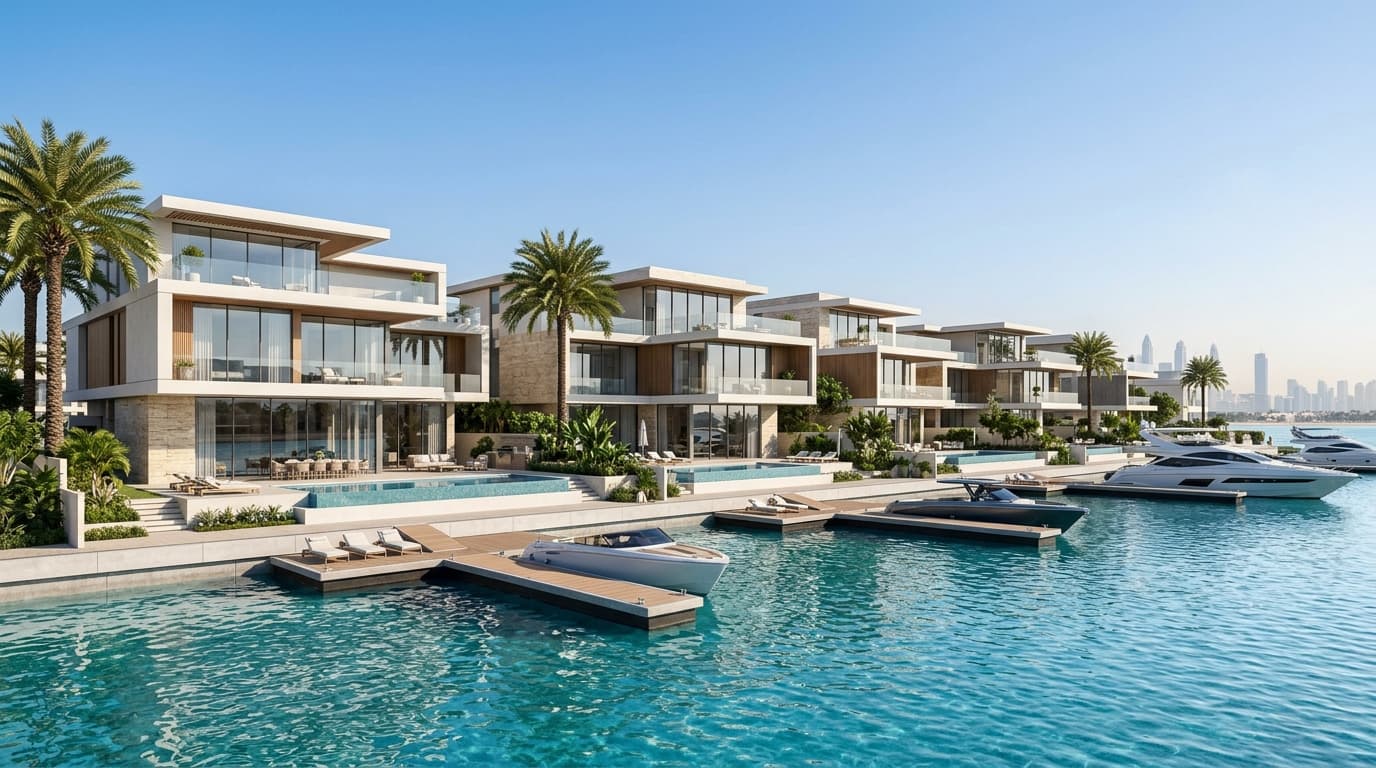
Can You Use a Mortgage?
Yes, in many cases. A mortgage doesn’t automatically rule you out. DLD guidance says a mortgaged property may be accepted, with a bank letter confirming the amount paid and the bank’s position on your application.
What you can’t do is assume the full market value counts if a large part of it is still unpaid. The evidence required depends on the rules and your financing arrangement. Talk to your bank early about what documents it can provide, and look closely at the monthly repayment, interest rate, fees and total borrowing cost. Make sure both the financing and the visa requirements are settled before you sign anything binding.
Documents and the Application Process
You’ll need to prove who you are, that you own the property and that you’re eligible. Expect to provide things like:
- A valid passport
- A recent photo
- The title deed or other accepted proof of ownership
- Emirates ID or current UAE residency details, if you have them
- Bank documents for a mortgaged property
- Health insurance, where required
- Any extra forms the authorities ask for
DLD’s published service information also lists the steps: submit documents, pay the applicable fees and complete a medical examination.
Check the current document list before you apply, and make sure names, ownership details and property records match across everything. Bank letters can take a while, so request them early. Missing paperwork is one of the easiest ways to cause delays.
And remember that approval is the authorities’ call. Hitting the investment threshold doesn’t guarantee acceptance.
Mistakes to Avoid
Buying only for the visa. If the location is wrong, the costs are too high or rental demand is weak, the investment may disappoint you, visa or not.
Assuming AED 2 million is enough. Purchase value, ownership, payment status and supporting documents all get assessed.
Underestimating ongoing costs. Service charges, maintenance, vacancies and mortgage payments can cut into your return.
Trusting marketing for off-plan. Glossy renders can’t tell you how a finished building will perform. Look at the developer, the payment schedule and the handover date.
Relying on informal advice. Rules change, and a friend’s successful application doesn’t mean yours will go the same way.
Check the rules before you invest, not after.
When Professional Advice Helps
Finding a property that fits both your investment goals and your residency plans takes real research: comparing prices, ownership details, running costs and demand for similar homes. A good adviser can shortlist options, arrange viewings and walk you through the purchase. For overseas buyers, having someone local makes comparing communities much easier.
Range International Property Investment helps buyers explore opportunities across Dubai based on budget, preferred locations and investment plans, including property comparisons and support through the buying process.
That said, property advice and visa approval are separate things. Confirm your eligibility with the relevant authorities, and get legal, tax or financial advice where you need it. Above all, make sure the property works for your finances, not just your residency plans.
Frequently Asked Questions
What’s the minimum investment for a Golden Visa through property?
The commonly stated figure is AED 2 million. DLD assesses the property and your documents under the current rules, so if you’re using a mortgage or buying off-plan, check the specific conditions first.
How long does the visa last?
DLD guidance provides for a renewable 10-year residence permit for eligible property investors. Confirm the current category and conditions before you apply.
Can I combine more than one property to reach AED 2 million?
Possibly. A group of properties may be considered if ownership and total qualifying value meet the requirements, and you may need evidence for each one. Ask how your planned portfolio would be assessed before you buy.
Does a mortgaged property qualify?
It can, in certain circumstances. Expect to provide bank documents showing the amount paid and the bank’s position. Check the current requirements with DLD and your lender.
Can off-plan property qualify?
Yes, when it meets the conditions, including being bought from an approved local developer. Check the specific project, purchase value and payment arrangement before signing.
Can I sponsor my family?
Eligible holders can sponsor family members under the programme’s rules. That includes a spouse and children, and DLD guidance also mentions parents. Check document and fee requirements for each person.
Do I pay tax on rental income?
The UAE generally has no personal income tax, but that doesn’t mean every property-related activity is free of tax or charges. It can depend on the activity, how you own the property and your tax position in other countries. If you have international income or assets, talk to a tax adviser.
Can I sell the property after getting the visa?
Selling may affect your ability to keep your residency status, depending on your other investments and the rules. Check with the relevant authority first, and find out whether you’d need another qualifying investment.
Is it a good idea to buy only for the Golden Visa?
Usually not. The visa is a useful benefit, but the property should still stand on its own in terms of price, location, running costs and future demand.