blogs
March 28, 2026
Why Dubai Real Estate Keeps Emerging Stronger During Global Crises
Dubai’s property market has faced many global challenges, testing investor confidence through crises, pandemics, and regional tensions.
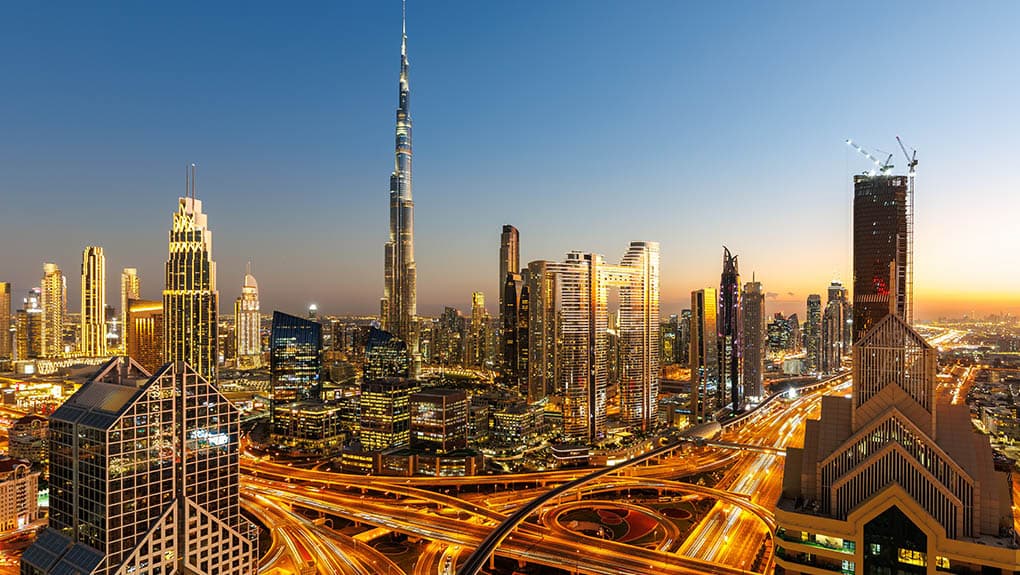
The Dubai property market has faced numerous global challenges over the last 20 years. Investor confidence has been tested several times by financial crises, pandemics and regional tensions. This resilience is no coincidence: government policies, robust infrastructure, and global investor demand all play a critical role.
Investors often study past cycles before entering the market, learning lessons from Dubai’s history. Understanding these patterns can help buyers identify opportunities even during uncertain times.
The real estate market of Dubai is not immune to global happenings. The property markets worldwide are susceptible to ever-changing financial conditions, political developments and economic growth. Dubai’s culture has seen similar changes many times before.
Lessons From the 2008 Global Financial Crisis
The global financial crisis in 2008 presented one of the biggest tests to Dubai’s modern property market, like never before. International financial markets experienced a liquidity drop, and many property projects were put on hold by developers.
Investor confidence weakened, and market activity slowed during that period. Many observers believed recovery would take several years.
However, the response from Dubai’s leadership changed the direction of the market. Authorities introduced stronger property regulations to protect buyers and improve transparency. Escrow regulations ensured that buyer funds remained secure during project development.
Developers also adopted more disciplined planning strategies, with improved financing structures and enhanced oversight. Investor confidence gradually returned, and by 2013–2014, property values rebounded to pre-crisis levels. International investment increased alongside major infrastructure projects and Expo 2020 preparations.
The takeaway: stronger governance, transparency, and responsible development made the market more resilient than before.
Dubai’s Rapid Recovery After COVID-19
The world faced another major challenge in 2020 – the Pandemic. COVID-19 led to unpredictability in nearly all economic systems worldwide. Due to international travel suspension, several cities went through a long economic slowdown.
In several cities throughout the world, property markets have paused as investors sit on their hands as well. The public health and economy were protected by the government.
Dubai also saw a bit of uncertainty in the first months. In contrast, a city rapidly enacted a range of economic assistance initiatives.
In order to encourage infusion, the authorities launched stimulus programmes. Changes to visa rules expanded the residential options available for business people and remote workers. Enhancements in digital government facilities and remote work have attracted global talent.
Vaccination programs advanced rapidly throughout the UAE population. The restoration of confidence and economic activity, public health measures help.
Dubai was opened sooner than a lot of other cities worldwide, and international travel began to return. More than 5.5 million visitors arrived in the second half of 2020. The subsequent years were characterised by strong economic growth, while the property market rebounded strongly.
The demand for upscale homes, waterfront properties, and branded residences is on the rise, according to a report.
During this time period, Dubai saw the arrival of many HNWIs. Family offices and global investors have been increasing their investments in UAE assets.
The real estate market experienced record activity thanks to these changes. In 2025, property transactions in Dubai amounted to nearly AED 917 billion. The annual transaction value reached an all-time high for the city.
Stability During Regional Uncertainty
Regional political tensions have occurred several times across the Middle East. During such a period,some investors initially become cautious. However, the UAE has consistently maintained strong economic stability and security.
Dubai continues to operate as a global business hub despite uncertainties. International corporations kept their regional headquarters in the city. Financial markets remained active, and business activities continued apace.
The flow of foreign investments remained steady. Dubai was seen by numerous investors as a strong base to operate in the region. This confidence has been supported by diplomatic relations and economic policy.
Dubai’s role as a global transport and trade centre also helped maintain economic activity. Because of this stability, property demand continued from international buyers. Many investors viewed Dubai real estate as a secure long-term asset.
Strong Property Activity Continues Today
Recent market data continues to show strong activity across Dubai’s real estate sector. Property sales reached around AED 13.9 billion during the first week of March. More than 4,300 transactions were completed during that short period.
This represented an increase of roughly eleven per cent compared with the previous year. Daily market activity also remains strong across the city.
Property viewings continue across residential communities. Developers keep launching new projects to meet buyer demand. Construction activity remains visible across many districts of Dubai.
Property handovers, inspections, and consultations continue across the sector. These indicators demonstrate that investor confidence remains stable despite global uncertainty.
Why Global Investors Continue Choosing Dubai
Dubai has become one of the most international property markets in the world. Investors from more than one hundred countries participate in the city’s real estate sector. Buyers include private investors, institutions, and global family offices.
Several factors explain why global investors continue choosing Dubai real estate.
Foreign buyers can own freehold property in many communities across the city. Clear property laws create trust between buyers, developers, and financial institutions. Long-term residency programmes also encourage investment. Property buyers may qualify for residency depending on the value of their investment. The Golden Visa programme also supports entrepreneurs and long-term residents.
Dubai’s tax environment also attracts many international investors. The city does not charge an annual property tax or a capital gains tax. Rental income can also remain tax-efficient for many buyers.
Infrastructure development improves the attractiveness of Dubai real estate. Dubai International Airport connects the city to major global destinations.
Roads, metro lines, and digital infrastructure facilitate business and daily activities.
Many property buyers are influenced by lifestyle factors. Dubai is always among the safest cities in the world. The city has high-quality schools, health care facilities and amusement.
Dubai property appeals to many investors for its lifestyle value and financial worth.
A Shared Responsibility Across the Property Sector
The behaviour of all players must be responsible for a resilient property market. Government policy on its own cannot ensure long-term stability.
The market's health is influenced by developers, investors, advisors, and construction companies.
Investors ought to understand that property markets are cyclical. Short-term uncertainty will not erase long-term demand. Dubai incorporates new residents and businesses every year.
The developers have an important part to play in maintaining the demand-supply equilibrium. Careful planning avoids excessive construction in periods of strong demand.
Real estate advisors help buyers make major decisions about property. Accurate info helps investors assess market conditions.
Design and construction quality also influence long-term property value. Well-designed communities remain attractive for many years. Reliable project delivery strengthens buyer confidence.
Why Uncertain Periods Often Create Opportunity
Periods of uncertainty often reduce competition within the market. Some investors delay decisions during uncertain conditions.
However, long-term investors sometimes see these periods as opportunities. They may negotiate better terms or identify strong investment locations.
In addition‚ developers can purchase land more cheaply when the market is down‚ giving construction companies a chance to increase productivity and plan․
Many of Dubai's meaningful developments were conceived after the emirate had economic difficulties, but have become major landmarks of the city․
History shows well-planned actions yield better long-term results than quick‚ undisciplined reactions in uncertain times․
The Pattern Behind Dubai’s Property Market Strength
The global financial crisis affected the Dubai property market several times over the last two decades,contributing to temporary uncertainty among investors and developers․
The city has since responded to the issue with improved regulation and calculated planning since the financial crisis and the COVID-19 pandemic․
Infrastructure investment and population growth are increasing housing demand․
It is also the primary reason why the Dubai property market tends to correct faster than many other global cities‚ as the investors are generally long term․
The Dubai real estate market has proven resilient to financial crises‚ pandemics, and geopolitical tensions within the region over the years․
Yet‚ the sector continues to adapt‚ diversify, and strengthen‚ due to government policy and the global reach of investment and trade․
Dubai has one of the most dynamic long-term property markets,s and property market cycles exist like in any other property market․ However‚ Dubai's strong infrastructure still supported a recovery‚ and growth․
The pattern is believed to be behind the Dubai property market's tendency to recover․