blogs
October 07, 2026
Buying Property in Dubai? Here’s What Smart Investors Check First
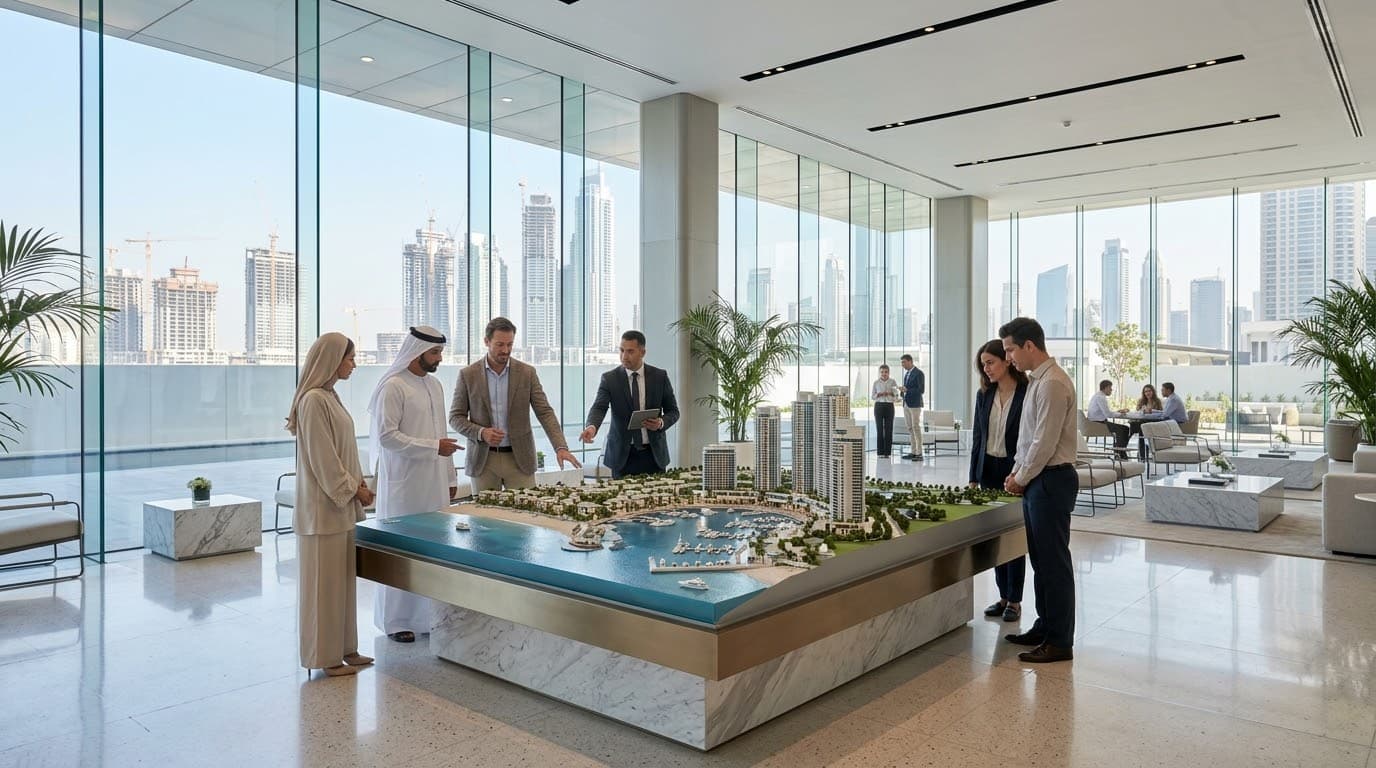
Buying property in Dubai with an investor reviewing location, pricing, market trends, and potential returns

Buying property in Dubai is a big financial step, and it's easy to get wrong. A good purchase can bring in steady rent, grow in value, or simply give you a place you love coming home to. A bad one can leave you with surprise bills, a flat nobody wants to rent, and a very slow resale.
Most mistakes don't come from bad luck. They come from skipping a few basic checks because a listing looked great or the price seemed fair. Here's what's worth looking at before you sign anything, whether it's your first apartment or your fifth.
Start With Why You're Buying
Before you open a single listing, work out what you actually want from the purchase.
Maybe it's a home for your family. Maybe it's rental income, or an off-plan unit you hope will be worth more by handover. Each goal points to a different kind of property. If you're buying to rent out, you'll care about tenant demand, achievable rents and running costs. If you're buying to live in, school runs, commute times and the layout matter far more.
Skip this step and you'll end up comparing properties on the wrong things.
Work Out the Real Budget
The asking price is never the whole story when you buy property in Dubai.
On top of the price, expect the Dubai Land Department transfer fee (usually around 4%), agent commission, registration and trustee fees, and, if you're borrowing, mortgage and valuation charges. After that come furnishing or renovation, service charges, maintenance and insurance.
Add it all up before you start viewing. It's a dull exercise, but it stops you falling for a flat you can afford on paper and not in practice.
Make Sure You're Allowed to Own It
Foreigners can buy in designated freehold areas, but that doesn't mean every building qualifies. Rules differ by location and property type, so confirm the ownership status of the exact unit you want. Do this before you pay a deposit, not after.
Look Past the Area Name
Everyone knows the famous communities, but a famous name doesn't make every building in it a good buy. Check how close the property is to main roads and public transport, and what's within walking distance: shops, schools, clinics, restaurants. If you're buying for tenants, think about how easily they can get to work.
It's also worth finding out what's planned nearby. A new road or metro stop can lift demand. A construction site next door can do the opposite.
Compare Buildings, Not Just Neighbourhoods
Two apartments on the same street can perform very differently. One building is well kept, with decent facilities and a steady stream of tenants. The other is tired, with high service charges and units sitting empty.
Look at building age, build quality, maintenance, parking, floor level, view, layout and what similar units have sold for recently. The cheaper unit isn't automatically the better deal. Often it's cheaper for a reason.
Research the Developer for Off-Plan Deals
Off-plan can be attractive. You get newer developments and flexible payment plans. But you're trusting the developer to deliver, so look at their track record. Have they finished past projects on time? Is the project properly approved?
A flashy launch price shouldn't be the reason you buy. Read the Sale and Purchase Agreement closely, especially what happens if construction runs late.
Read the Payment Plan to the End
A small down payment can make a property feel easy to afford. The later instalments are where the strain shows up. Some plans ask for big payments during construction, while others stretch beyond handover.
Add up every installment and ask yourself honestly whether you could keep paying if your income dipped. A plan that only works if everything goes right isn't a good plan.
Don't Ignore Service Charges
Service charges cover things like security, common areas, building management and maintenance. They vary a lot, even between neighbouring buildings, and they come out of your return every year.
A flat with a great rent can still disappoint if the charges are heavy. Find out the current rate before you commit.
Test the Rental Numbers
If you're buying real estate property in Dubai to rent out, look at what similar units actually rent for, not just what landlords are asking. Compare size, layout, floor, furnishing, parking and facilities. A studio and a two-bedroom in the same tower can attract completely different tenants.
Ask how quickly comparable units get rented, too. A high asking rent doesn't mean much if the place sits empty for months.
Calculate Rental Yield Properly
Gross yield is simple: annual rent divided by purchase price, times 100. A property costing AED 1 million that earns AED 60,000 a year has a gross yield of 6%.
But that number flatters you. Subtract service charges, maintenance, management fees and the weeks the unit might be vacant, and the picture changes. Sometimes a property with a slightly lower gross yield ends up paying you more, because it's cheaper to run and easier to keep rented.
Think About Resale
Rental income is only half of it. Someday you'll probably want to sell, so ask who the next buyer would be. Location, the building's reputation, views, layout and condition all play a part. A property that appeals to only a narrow group of buyers can take a long time to sell, which matters if you might need your money back.
Check the Seller and the Paperwork
With a ready property, confirm the seller actually has the right to sell. Find out whether there's a mortgage on it and how that will be cleared during the sale. Check for unpaid service charges too. These things are much easier to sort out before the transfer than during it.
Take the MOU Seriously
Once you and the seller agree on a price, you'll usually sign a Memorandum of Understanding, known as Form F. It sets out the price, deposit, transfer date, payment terms and any conditions. If furniture or vacant possession is part of the deal, make sure it's written in.
It's tempting to treat this as a formality. It isn't. It has real legal and financial weight.
Talk to a Lender Early
If you're using a mortgage, speak to a bank or mortgage adviser before you fall for a property. What you can borrow depends on your income, job, residency status, existing debts and the property's value. Knowing your limit early saves you from falling in love with something out of reach, and from delays later.
Remember that your deposit and purchase costs usually have to be paid in cash, separately from the loan.
Ready or Off-Plan?
Neither is better across the board. A ready property lets you see exactly what you're buying and may start earning rent straight away. Off-plan offers new builds and gentler payment schedules, but you're buying from plans rather than a finished, occupied unit. Let your budget, risk appetite and timeline decide.
Choosing Between Real Estate Companies in Dubai
The agency you work with shapes your experience almost as much as the property does. When comparing real estate companies in Dubai, check that they're properly registered, how long they've worked in the market, and how well they know the areas you're interested in.
A good adviser explains costs, documents and risks in plain language, and helps you compare several options rather than steering you to the first one. If you ask a question and get a vague answer, that tells you something.
Know Your Exit Before You Buy
It sounds odd to plan the end at the start, but it helps. Will you sell after a few years, hold for rent, refinance, or hand it down to family? A property that suits a three-year flip may not suit a ten-year hold.
Sweat the Small Stuff
Little details cause some of the biggest headaches. Check the parking allocation, storage, the condition of the unit and whether it's currently tenanted. For apartments, think about whether the view could disappear if something gets built next door. For villas and townhouses, look closely at the structure, garden and outdoor areas. If there's a tenant in place, read the tenancy agreement and find out when it ends.
A Quick Checklist
If you want something to keep on your phone while viewing properties:
- Purpose: why you're buying
- Budget: the full cost, not just the price
- Location: access, facilities, future plans
- Property: size, layout, condition
- Building: upkeep, facilities, service charges
- Developer: track record, for off-plan
- Rental demand: realistic rents and vacancy
- Resale: how easy it would be to sell
- Documents: ownership and any outstanding matters
- Finance: mortgage and future payments
- Contracts: the MOU and the SPA
- Exit plan: what you'll do with it later
This won't remove every risk, but it will help you dodge the common ones.
If This Is Your First Purchase
First-time buyers often rush straight to searching for the perfect property. It works better to learn how the process works first: how ownership works, what it costs, how financing runs, and which documents matter. Then compare properties against your goal.
And don't let anyone rush you. If a property is "going fast" or "prices are about to jump", slow down and run the numbers. A good deal still looks good after a few days of checking.
Why Due Diligence Pays Off
Due diligence isn't about making things difficult. It's about knowing exactly what you're buying. A flat can look beautiful in photos and still have steep service charges or weak rental demand. Finding that out before you sign can save you a lot of money and stress.
Where Professional Help Fits In
Dubai has a huge market, with endless areas, buildings and property types, and many of them look alike on paper. That makes the search hard, particularly for overseas buyers who can't visit in person. A good adviser can narrow things down by budget and goals, arrange viewings, and explain the key steps.
Range International Property Investment helps buyers explore options across Dubai based on their budget, preferred areas and investment plans. The team assists with property selection, comparisons and the buying process, and helps buyers understand what could affect their decision.
If you're planning on buying property in Dubai, take your time and compare your options. Advice helps, but check the figures, documents and terms yourself. The final decision should rest on your finances, your plans and your own understanding of the property.
Frequently Asked Questions
What should I check before buying property in Dubai?
Ownership status, location, condition, service charges, the developer's record, rental demand, resale potential and the total purchase costs. Review all documents before signing anything binding.
Is it a good time to buy property in Dubai?
That depends on your budget, goals and the specific property. Rather than following general market sentiment, look at that property's price, rental demand, costs and resale prospects.
Can foreigners buy property in Dubai?
Yes, in designated areas where ownership rules allow it. Always confirm the status of the exact property first.
How much money do I need to buy a property in Dubai?
It depends on the price, how you finance it and the associated costs. You'll need enough for the deposit and transaction fees, plus any mortgage payments afterwards.
Should I buy ready or off-plan?
Ready suits people who want to inspect the actual unit and possibly earn rent sooner. Off-plan suits those who like new developments and structured payment plans. Your goals and finances should decide.
How do I choose between properties in the same area?
Compare the buildings themselves: service charges, layout, condition, facilities, views, rental demand and past sales. Two units in one community can have very different prospects.
What are the main costs?
DLD transfer fees, agent commission, trustee and registration fees, mortgage costs and developer charges where they apply. Exact amounts depend on the deal.
Should I use an agent?
An experienced agent can help with searches, negotiation, paperwork and the process overall. Check their registration and make sure fees and responsibilities are clear.
What's the biggest mistake first-time buyers make?
Focusing only on the purchase price and overlooking service charges, financing costs, rental demand, condition and resale potential.
How can I make a safer investment?
Set a clear goal and a realistic budget, research the location, check the property and developer, review every document, work out the costs, and compare rental and resale potential.